
Unless they run a technology company, business owners shouldn’t have to give much thought to their network protection. They have much more critical things to spend their focused time on. Unfortunately for them, cybersecurity is extremely important, so having an ongoing strategy to consistently upgrade your network defenses is something most businesses should consider. Today, we thought we’d go through six reasons you need to take network security seriously.
Imagine that your screen flashes a devastating message: your critical data is encrypted, and you face a massive ransom demand. Your operation grinds to a halt. This isn't just an enterprise problem; it's the harsh reality for businesses of all sizes.
Cyber threats don't discriminate. Your small or mid-sized business is a prime target.
Artificial intelligence, or AI, can be found in pretty much every facet of business these days, and CIOs are more tempted than ever to use innovative AI tools. There are plenty of reasons: they can increase efficiency and do the mundane things that need to be done, but are more expensive. AI is more than just for generative content; strategic implementation means implementing the right tools for your business and taking action in a calculated manner.
Today, we want to explore the dangers of rushed adoption and why it’s important to carefully consider your business’ use of AI. The consequences of not doing so can be dangerous, to say the least.
SMBs tend to pride themselves on how well they’re able to treat their customers. Larger enterprises sometimes lack the personalized attention that customers of small businesses get, despite having the tools to make it happen. Small businesses can also achieve this goal, and it’s all thanks to customer relationship management solutions. The right tool can improve sales, marketing efforts, and even customer satisfaction.
Today, IT tools and services are essential for businesses of any size. They provide the direction, stability, and connectivity needed to thrive in an increasingly digital landscape… but what exactly are these "IT tools and services," and why should they be a priority for your business, specifically?
Simply put, they encompass the hardware, software, and expertise that enable your business operations, from managing customer relationships and streamlining workflows to safeguarding critical data. Let’s talk a little more about why they need to be prioritized.
Technology brings a fair amount of automation to any organization that chooses to use it. One of the most popular ways that automation is used is by sending emails. Automated emails can be used in support of nearly any action your business takes, but there are questions whether some of them actually offer the value you think. Today, we discuss some of the pros and cons of automated emails.
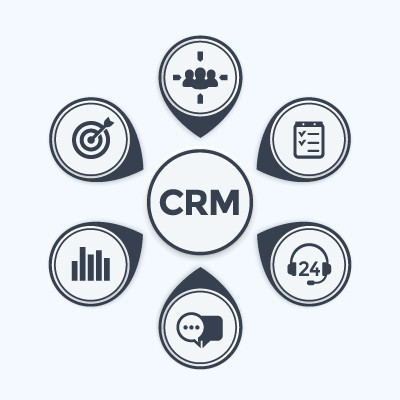
Having tools that help enhance your ability to support your customers is rarer than you may expect. One of the best tools a lot of businesses employ is Customer Relationship Management (CRM). The CRM system can transform how a business operates, but to make the most of it, you’ll need to employ some strategies.
Ransomware is not just a business problem; it is also a consumer and user problem. While it might lock down your business’ files and make them inaccessible, there is also the possibility that the cybercriminals will steal and sell the data on the black market rather than safely return it. What happens to users who have had their data stolen during a ransomware attack?
Your business might depend on technology, but if it’s not managed properly, this dependence can become a detriment. Small businesses in particular must be aware of several challenges specific to their technology infrastructures. Let’s examine three of the most common culprits for your company’s technological troubles and what you can do about them.
Despite not wanting to think about cybersecurity incidents derailing your operations, it’s important nevertheless to consider them before it’s too late to do anything about them. These days, businesses need to invest considerable capital into protections, including a cyber insurance policy to cover all of their bases.
Let’s discuss some of your options for cybersecurity insurance and what you’ll need to know to make the most informed decisions possible.
Cybersecurity is one aspect of running a business that absolutely cannot be underestimated in its importance. It doesn't matter if you’re a huge enterprise or a small business; if you don’t take cybersecurity seriously, there is a very real possibility that your organization could be threatened in the near future. The easiest way to ensure your business’ continuity is to develop an internal culture of cybersecurity, and it starts from the top-down with you, the boss.
Working from home adds quite a few additional wrinkles into the workday, including a few that pertain to your team’s communicative capabilities. With many different people operating at their best through different forms of communication, establishing which of these forms best suits your needs is crucial. Let us consider some of the options you have, whether you’re fully investing in a future of remote operations, or simply planning a more hybrid approach as time passes.